Sustainability has moved from a nice-to-have in candle packaging to a genuine purchase driver for a significant portion of buyers. Customers notice materials. They read boxes. They look for signals that the brand they are buying from has thought about its environmental footprint.
At the same time, the candle packaging category has a problem with vague and sometimes misleading green claims. “Eco-friendly packaging” is not a defined term. “Sustainable” is not a certification. Customers are increasingly skeptical of hollow environmental language, and a brand that overclaims will lose trust faster than a brand that simply makes honest material choices and explains them plainly.
This guide covers the real eco-friendly material options for candle packaging, what each one actually offers, and how to communicate your choices honestly.
Why Packaging Material Choices Matter
Candle packaging typically ends up in one of three places after the candle is used: the recycling bin, the landfill, or repurposed by the customer. The material you choose directly affects which of those outcomes is likely.
Paper-based packaging, including cardboard, kraft board, and rigid board, is broadly recyclable through standard municipal programs in most parts of the United States. This is not true of packaging that combines paper with non-recyclable coatings, laminations, or plastic elements. A standard coated cardboard box with a plastic window insert, for example, requires the customer to separate the materials before recycling, and many do not.
If recyclability is important to your brand, the decisions you make in material and finish selection have a direct impact on how recyclable your packaging actually is.
Kraft Board and Kraft Paper
Kraft board is one of the most genuinely sustainable material choices available for custom candle boxes. The kraft pulping process uses a larger portion of the natural lignin in wood fiber than standard bleached paperboard processes, producing a naturally brown material that requires minimal chemical treatment.
Uncoated kraft is fully recyclable and often preferred by municipal recycling programs because it does not have the chemical coatings or laminations that complicate processing. It is also biodegradable in industrial composting environments and in most home compost conditions.
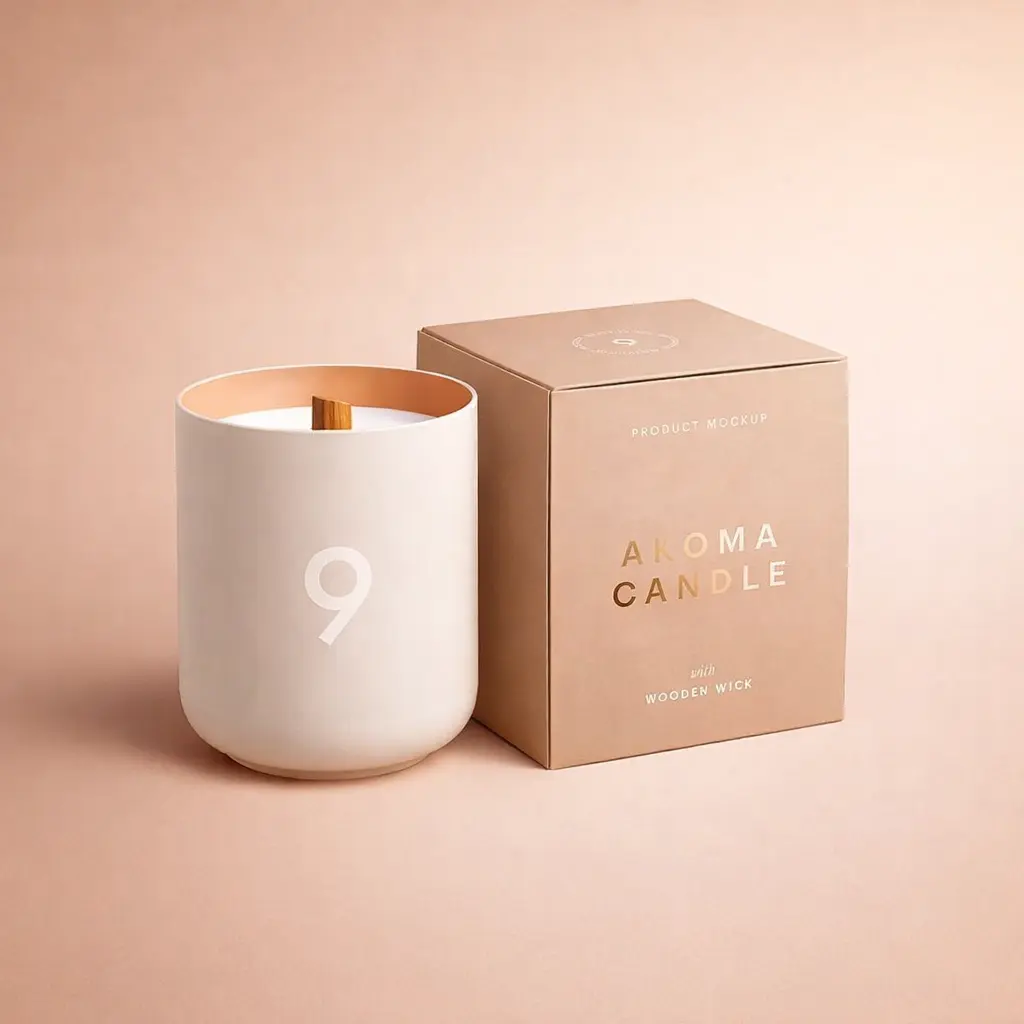
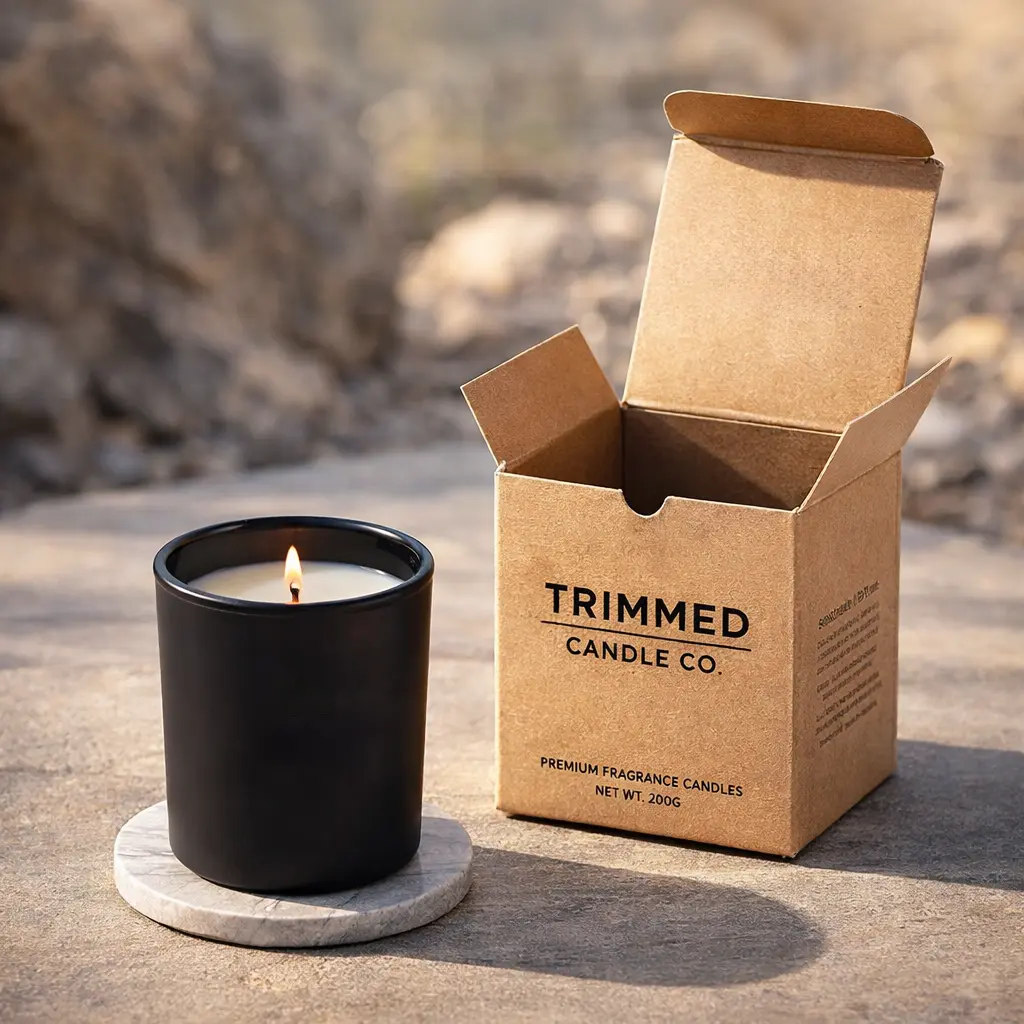
Kraft candle boxes communicate sustainability visually, before a customer reads a single word. The brown, natural look has become a recognizable cue for eco-conscious brands. This is useful, but it is also worth noting: kraft-look packaging does not automatically mean the packaging is sustainable. A coated board with brown printing can look identical to genuine kraft while having a very different recyclability profile.
If you are choosing kraft because of its sustainability properties, specify uncoated or minimally coated kraft stock and avoid laminations that compromise recyclability.
Recycled Content Cardboard
Cardboard with recycled content is a significant portion of the packaging market and is genuinely more sustainable than virgin fiber stock, all else being equal. The recycled fiber content reduces demand for virgin pulp, lowers energy consumption in manufacturing, and keeps paper fiber in circulation rather than in landfill.
For candle packaging boxes, recycled content cardboard performs similarly to virgin stock for most applications. Print quality is comparable. Structure is comparable. The visual difference, if any, is subtle.
When evaluating recycled content options with your manufacturer, ask specifically about the post-consumer recycled (PCR) content percentage. PCR content is fiber that was collected from end consumers through recycling programs. Pre-consumer recycled content, while still useful, is manufacturing waste that would likely have been recycled regardless of your specification. Post-consumer recycled content represents a more meaningful closed-loop contribution.
What “Recyclable” Actually Means
A packaging substrate being technically recyclable and it actually getting recycled are different things. Here is what affects real-world recyclability.
Laminations: Matte and gloss laminations are plastic films bonded to the cardboard surface. These make the packaging more durable and improve print longevity, but they complicate recycling. Many municipal recycling programs can process lightly laminated cardboard, but not all. The lamination needs to be separated from the paper fiber, which requires heat treatment in industrial recycling facilities. Heavily laminated or mixed-material packaging is often sorted out and landfilled rather than recycled.
If recyclability is important to your brand, matte or aqueous (water-based) coatings are a better choice than plastic laminations. Aqueous coatings are water-soluble and do not create the same separation challenge.
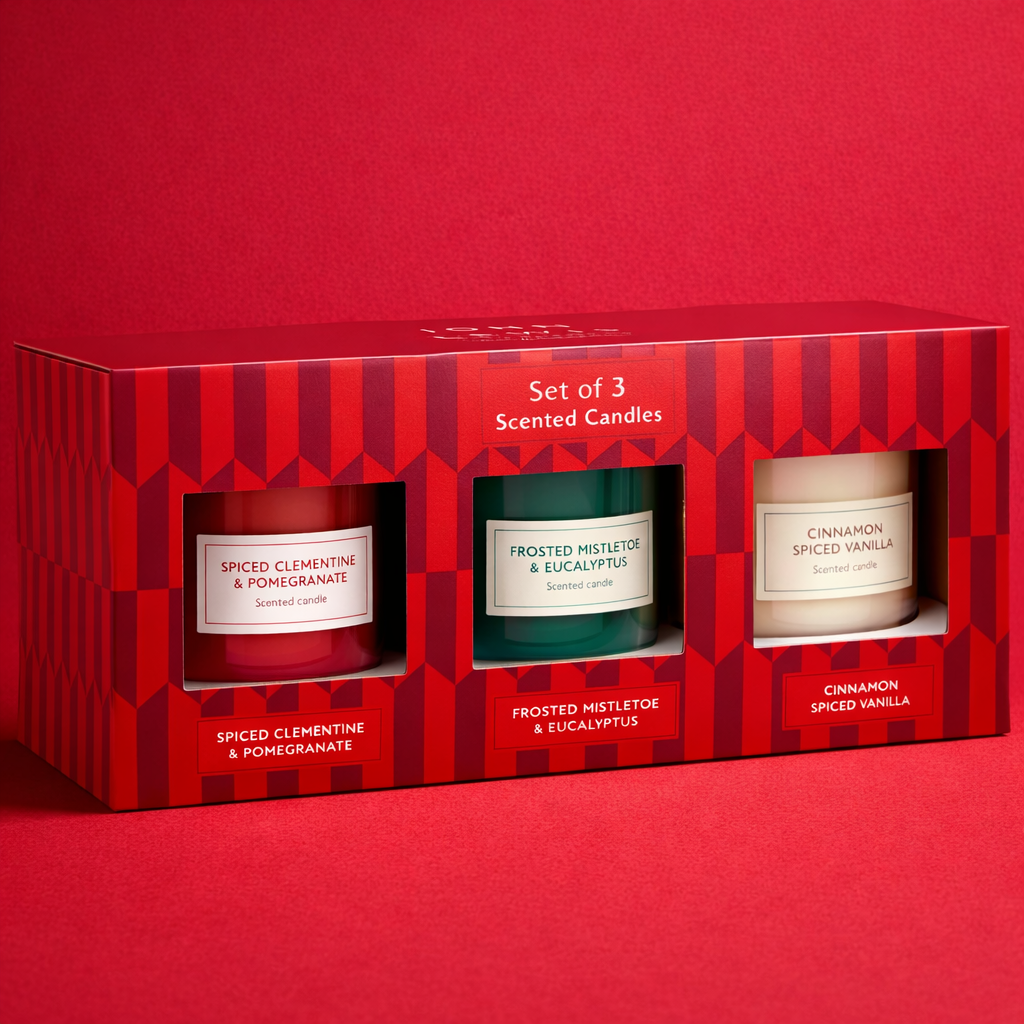
Window cut-outs: Clear windows on packaging are almost always a thin plastic film bonded into the die-cut opening. This creates a mixed-material package. Some customers will remove the plastic film before recycling. Most will not. If you want a window on your packaging and care about recyclability, this is a trade-off worth acknowledging.
Adhesives: The glues used to fold and seal cardboard boxes are almost always paper-compatible and do not compromise recyclability in any meaningful way. This is not a significant concern for most candle packaging.
Foil stamping: Metallic foil stamping is a mixed-material element. Traditional hot foil uses a metalite or holographic film bonded to the surface. This technically complicates the recyclability of the board. In practice, small foil elements like a logo or brand name probably do not prevent the packaging from being recycled, but large foil coverage areas may. If this matters to your brand, it is worth raising with your manufacturer.
Structural Design and Material Efficiency
One of the most effective but underappreciated sustainability levers in packaging is structural efficiency. A well-designed box uses less material to achieve the same protection and presentation outcome.
Excessive packaging weight is a real problem in the candle category. Brands sometimes over-specify substrate thickness because heavier feels more premium, not because the product needs that level of protection. A 10 oz glass candle jar does not require the same substrate weight as a fragile ceramic piece. Right-sizing the material weight for the actual product is both a cost and an environmental benefit.
Similarly, packaging that ships flat before assembly is more efficient in transportation than pre-assembled packaging. The same truck can carry far more flat-packed boxes than assembled ones. For candle shipping boxes that are built on corrugated stock, choosing a well-engineered dieline means less corrugated material per unit without sacrificing protection. This applies equally to candle subscription boxes, where material efficiency compounds across recurring monthly shipments.
Honest Sustainability Communication
Here is where many candle brands get into trouble. The instinct is to make the strongest possible environmental claim because it resonates with customers. But vague claims and greenwashing are increasingly policed, both by regulatory bodies and by customers who are more informed than brands assume.
What you can say honestly depends on what you can actually verify.
Safe to say: “Our boxes are printed on kraft board.” “Our packaging is recyclable.” “We use recycled content cardboard.” If you can verify these things, state them plainly.
Be careful with: “Our packaging is eco-friendly.” This is vague and unverifiable. A regulator or a skeptical customer can reasonably ask: eco-friendly compared to what? Under what conditions?
Avoid: Implying certifications you do not hold. Claiming specific recycled content percentages without verification from your manufacturer. Using terms like “biodegradable” loosely, since most cardboard packaging technically biodegrades but not in relevant timeframes under typical disposal conditions.
The brands that win on sustainability are typically the ones who say less but say it more precisely. “This box is made with recycled cardboard and is fully recyclable in standard curbside programs” is a better claim than “eco-friendly packaging” because it is specific, verifiable, and informative.
Adding Sustainability Messaging to Your Packaging
If your material choices are genuinely sustainable, your packaging is a good place to communicate that. Here are a few approaches that work.
Material callout on the box bottom or side panel: A small line of text noting the material and recyclability. Keeps it low-key and factual. “Printed on kraft board. Recyclable.” This reads as confident rather than performative.
Recycling instructions: Many customers want to recycle but are unsure whether the packaging qualifies or whether they need to remove any components. A brief “Remove plastic window before recycling” or “This box is recyclable” note is genuinely useful and costs nothing beyond the design work.
QR code to your sustainability page: If your sustainability story is longer than fits on the box, a QR code that links to a landing page lets interested customers go deeper without cluttering the packaging.
Material Choices and Your Full Product Line
When you are building a product line, consistency in material choices matters beyond aesthetics. If some of your packaging is on kraft and some on coated cardboard, your brand sends mixed signals on sustainability. Even if both choices are reasonable, the inconsistency can read as accidental rather than considered.
A consistent material specification across your line also simplifies your conversations with your packaging supplier, often resulting in better pricing because you are ordering one substrate family rather than several.
If you are ready to talk through material options for your candle packaging, request a quote and let us know whether sustainability is a priority in your specification. We can help you identify options that align with your brand values and communicate honestly about what each choice offers. You can also browse our packaging products to see the full range of materials and structures available.